A practical program starts with the operating details.
Plastic pallets can make sense where consistent dimensions, reusable material, moisture resistance, or a cleaner surface matter to the operation. We source nestable, stackable, rackable, reusable, and export-oriented options—including common 48x40 footprints—based on the actual application. Share the product, pallet-jack or forklift handling, racking plan, load profile, quantity, destination, delivery window, expected order cadence, and budget. We will help narrow the request to appropriate current options. Final suitability, dimensions, and load performance must be confirmed from the selected product specification before ordering.
- Formats matched to the handling path
- Consistent-dimension options
- Moisture-resistant material options
- Nestable designs for empty returns
- Rackable options by specification
- Reusable program conversations
Match the Format to the Handling Path
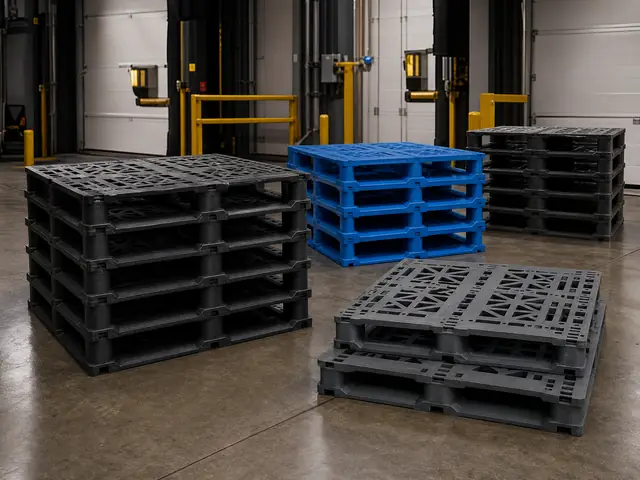
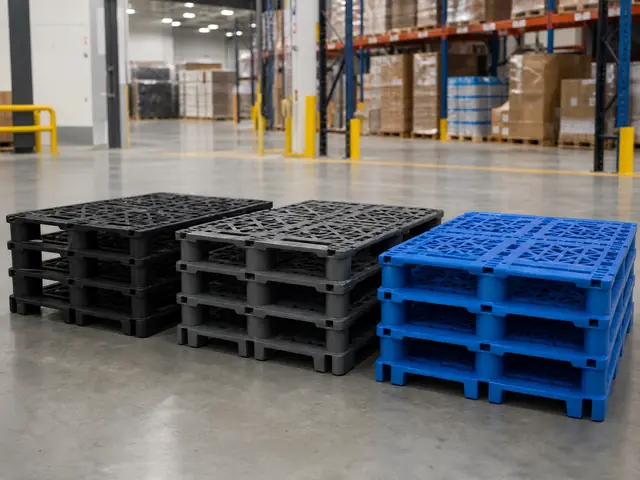
Nestable pallets can reduce the space empty pallets occupy in return or staging areas. Stackable designs may suit unit-load storage where a stable stack is important. Rackable models are designed for rack use. These labels are useful starting points, but they do not replace the selected model’s documentation or the requirements of the lane.
An outbound, one-way shipment creates a different decision from a returnable loop. A buyer may be balancing empty-return space, reuse frequency, product protection, equipment interfaces, and procurement constraints. Start with the job the pallet must perform, then compare available formats instead of selecting by material alone.
Build a Quote Around the Actual Requirement
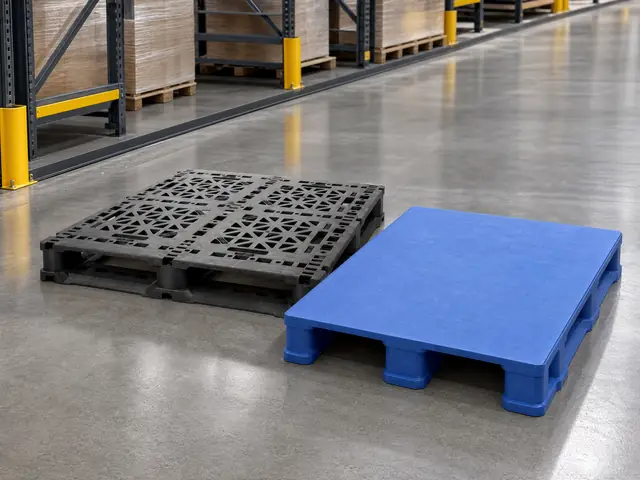
A useful RFQ identifies footprint, desired deck style, pallet-jack and forklift entry, unit-load weight, quantity, destination, and delivery timing. If the pallet will be stored in a rack, include rack type, support conditions, and the required racking capacity. Static, dynamic, and racking capacities are distinct measurements and should be verified for the exact product.
This detail helps avoid comparing a light-duty export-oriented design with a reusable pallet intended for a more demanding handling path. It also gives suppliers a clear basis to check available inventory, freight, and suitable alternatives when the preferred configuration is unavailable.
For bulk or wholesale plastic pallet supply, share the quantity per order and recurring demand. If you need a heavy-duty plastic pallet, define the handling path and required capacity rather than assuming the label is a load rating; confirm the selected model’s static, dynamic, and racking specifications.
Keep Specification Review in the Purchase Process
Plastic pallets can support operations seeking consistent dimensions, a moisture-resistant material, or a format that is practical to clean. The right fit still depends on the item being moved, handling equipment, storage setup, return pattern, and any customer or regulatory requirement.
For Houston-area facilities, Pallet Connections & More can begin with the operating facts and source current options around them. Ask for model information before approval, including dimensions, deck and base configuration, material, and the manufacturer’s applicable ratings or compliance documentation.
Common Applications
- 48x40 distribution pallets
- Returnable shipping loops
- Empty-pallet return staging
- Warehouse rack applications
- Export-oriented shipments
- Equipment-specific material handling